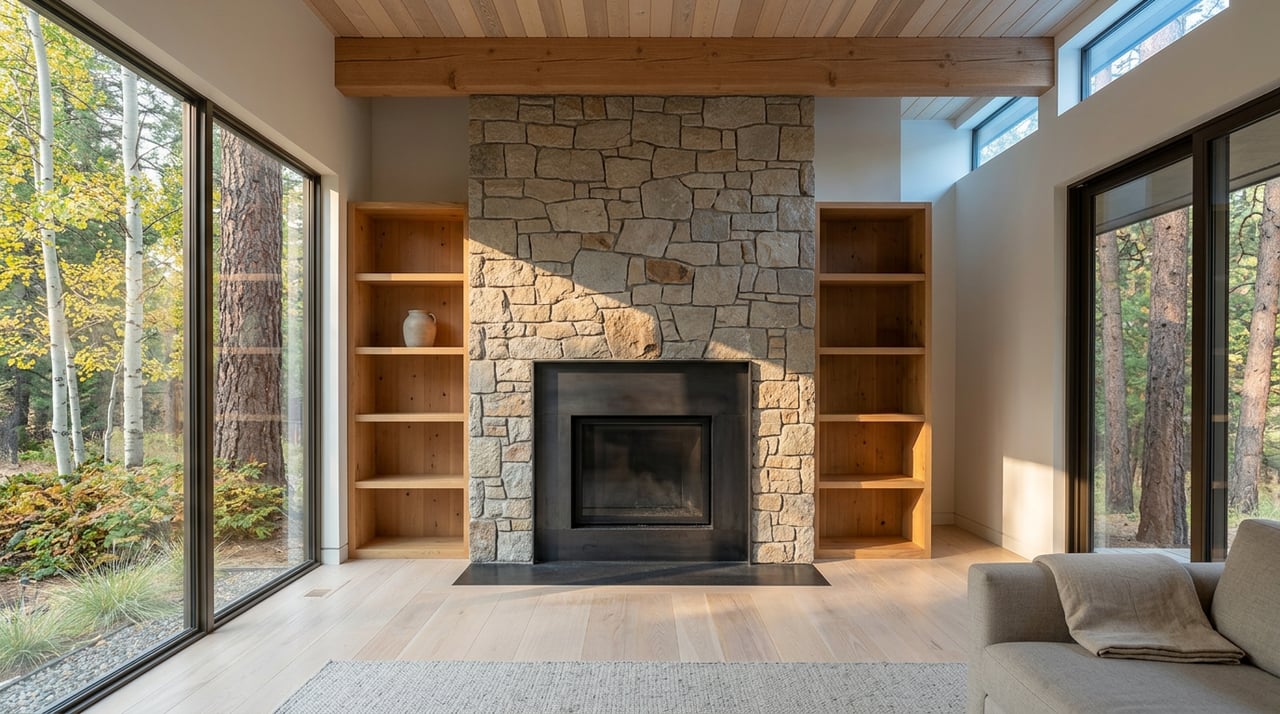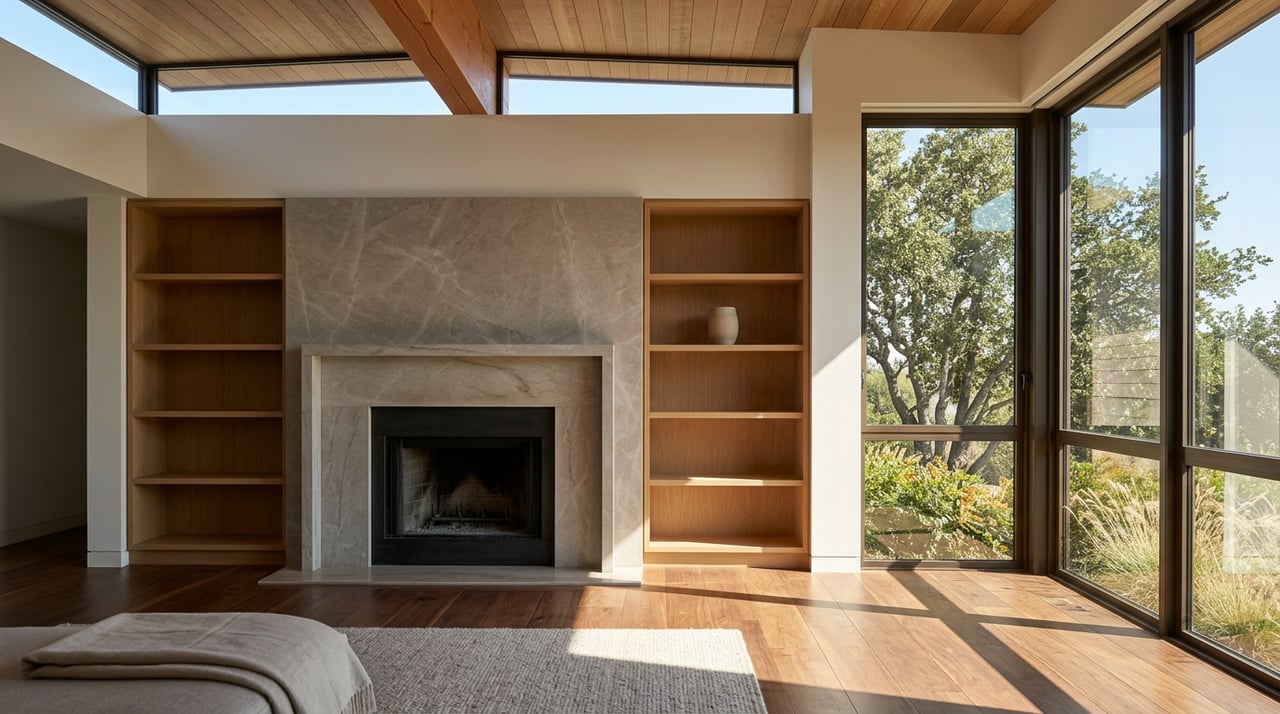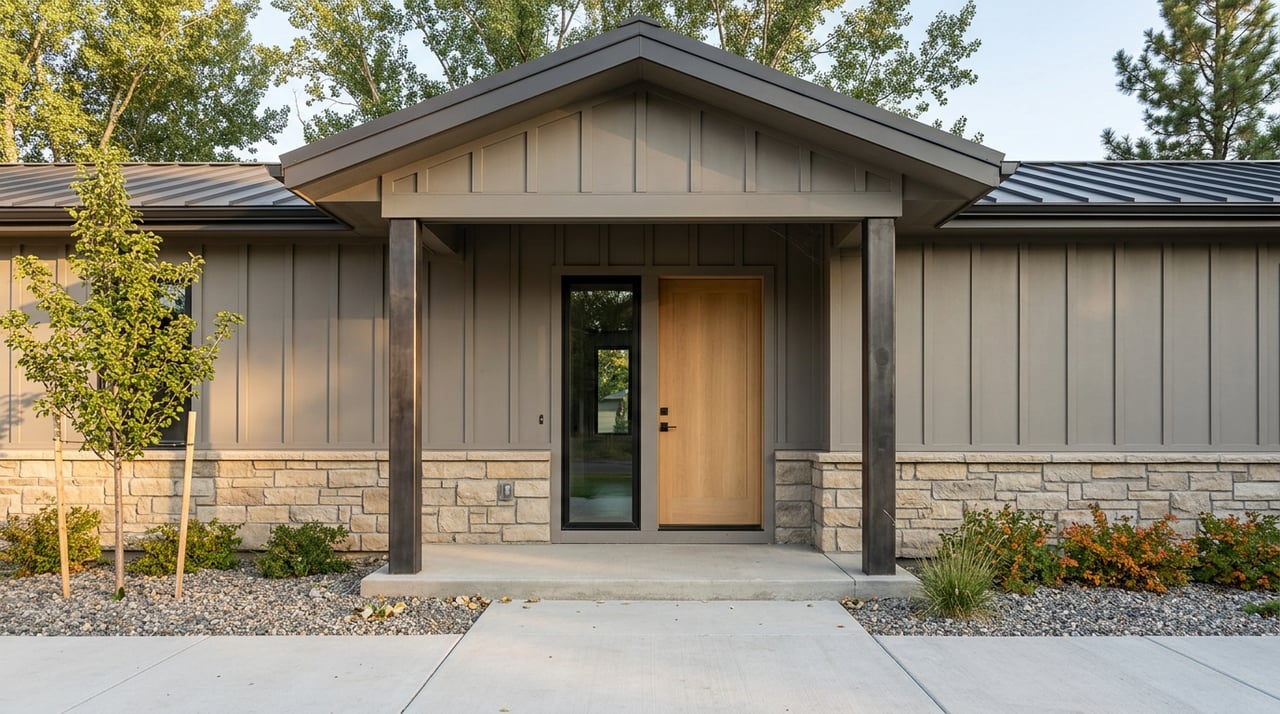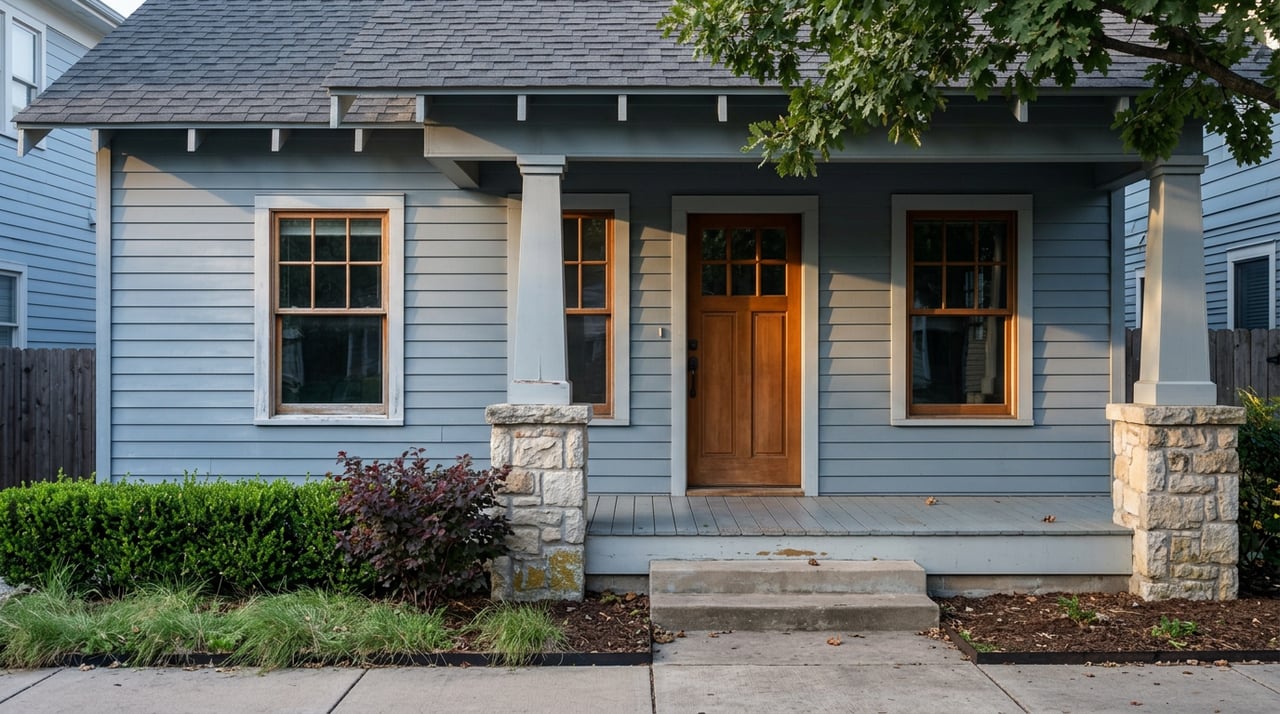
A seller on West Main Street decides the old aluminum-frame windows have to go before the photographer shows up. Reasonable plan. Order new windows, get them installed, list the house looking fresh. Three weeks, maybe four if the installer is backed up.
That plan works almost everywhere in Littleton. It does not work the same way inside the Downtown Main Street Historic District or on a property listed on the Littleton Historic Register. There, the contractor's calendar is not the one that decides when the work can start. A city board's calendar is, and that board does not meet whenever a seller needs it to.
The document that actually controls the timeline
Littleton's historic preservation program runs under Chapter 8 of the city's Title 10 Unified Land Use Code. Inside that code sits a document most sellers never see until they need one: the Certificate of Appropriateness, or COA. The code defines it plainly as the approval statement signed by the Historical Preservation Board certifying the historical appropriateness of a proposed alteration, an addition, or a demolition, partial or full, to a landmark or a property inside a historic district.
That single sentence is doing a lot of work. It means the board's job is not to approve or deny a permit. It's to certify that what you want to do matches what the city has decided a historic building in that district should look like. Windows, siding, porches, paint in some cases, roofing. If it changes the exterior, it likely needs this signature before a building permit moves forward.
The part almost nobody explains up front: there are two tracks
Here is where most listing-prep conversations stop short. A COA is not one process with one timeline. Littleton's own window replacement guidelines lay out two separate paths, and which one you land on depends on how closely your plans match the city's published design standards.
If the proposed work meets the requirements in the Historic Preservation Code and the specific policy for that type of work, staff can review and approve it administratively. No public hearing. No waiting for a board meeting. For a downtown property, that fast track comes with a specific condition: the replacement windows cannot be visible from either the street or the alley. Miss that condition and the application does not qualify for the quick path, regardless of how good the new windows look.
If the work falls outside the guidelines, or touches a primary façade in a more visible way, it goes to the full Historical Preservation Board. That board meets on its own published schedule, not on a seller's timeline. A session recorded on June 17, 2024 shows the format: a regular meeting and study session, agenda set in advance, cases heard in order. If your application isn't ready by the cutoff for that meeting, you wait for the next one.
Here's what separates the two paths in practice:
- Administrative review: Work matches the published design guidelines exactly. For downtown properties, that includes the visibility rule for windows. Staff signs off. No hearing required.
- Full board review: Work falls outside the guidelines, affects a visible primary façade, or involves something the guidelines don't directly address. The application waits for the board's next scheduled session, and a public hearing may be part of that process.
The city also requires a pre-application meeting with a planner before a window replacement application goes in. That meeting is not a formality to skip. It's where a seller finds out, before ordering a single window, which of the two tracks they're actually on.
When the board says no, it isn't always the final word
A Certificate of Appropriateness case from 2019 shows this process has real consequences on both sides. At 2679 W. Main Street, the Historical Preservation Board made a determination on historic appropriateness. That decision did not stand. Littleton's City Council passed Resolution 04-2019 overruling the board's decision on that property.
That resolution matters for a seller weighing a listing date for two reasons. First, it confirms the board's rulings are genuinely case-by-case, not a rubber stamp in either direction. Second, it shows there's a formal appeal path when an owner disagrees with a board decision, and that path runs through City Council, which adds its own meeting cycle on top of whatever time the board process already used. A seller counting on a fixed number of weeks from application to approval is counting on a version of the process that doesn't always play out that way.
| Track | Who decides | What has to happen first |
|---|---|---|
| Administrative | City planning staff | Work matches published design guidelines; downtown windows not visible from street or alley |
| Full board review | Historical Preservation Board | Application heard at a scheduled public session |
| Appeal | City Council | Board decision formally contested, as happened at 2679 W. Main Street in 2019 |
Why the district is still worth the paperwork
None of this is a case against buying or owning inside Littleton's historic core. Historic Littleton, the local nonprofit that tracks preservation issues in town, has pushed back directly on the idea that district designation drags down value. The organization points to research showing properties inside local historic districts tend to appreciate faster than comparable homes outside them, not slower.
The Havener Millinery Building on Main Street is the kind of example that argument rests on. Its façade went through a restoration in 2010, done within the preservation framework rather than around it, and it's still held up publicly as what compliant exterior work in downtown Littleton looks like when it's done right. The rules exist because the character of that stretch of Main Street is part of what makes the properties along it desirable in the first place. The rules are also exactly why a seller can't treat exterior prep like a weekend project.
What to ask before you order anything
If you're preparing a historic Littleton property for the market and exterior work is part of the plan, the questions worth asking the city's Community Development Planning Division before you spend a dollar on materials are straightforward:
- Is this property a designated landmark, or is it inside a historic district boundary? The city maintains a list of Littleton's historic landmarks and districts, and it's worth confirming rather than assuming based on the block.
- Does the specific work I'm planning qualify for administrative review, or does it need to go to the full board?
- Can I get the required pre-application meeting scheduled this week, or is there a queue?
- If my application needs board review, when is the next scheduled session, and what's the deadline to be on that agenda?
- If the board doesn't approve what I want, what does the appeal path actually look like in terms of time?
Those five answers tell you more about your real listing timeline than any contractor's quote will.
A few quick answers
How do I find out if my house is actually inside the historic district? Check the city's list of historic landmarks and districts directly rather than guessing from the block or the age of the house. Designation status determines whether any of this applies to you at all.
What if my planned work already matches the published design guidelines? Then you may be looking at the administrative track, which skips the public hearing entirely. It's still worth the pre-application meeting to confirm before materials are ordered, since staff review still requires that first conversation.
What happens if the board says no and I disagree? There's a formal appeal route through City Council, and it has been used successfully before, as the 2019 decision on West Main Street shows. It also adds a full additional layer of scheduling on top of the board process, so it's not a fast fix if a listing date is already set.
If you're weighing a listing timeline against a historic property in Littleton, or trying to figure out whether a planned update qualifies for the quick path or the long one, that's exactly the kind of question worth working through before the for-sale sign goes up. Laura Gilsdorf has walked Littleton sellers through this process before and can help you figure out which track you're on and what it means for your calendar. Let's connect.